What are the phases of the moon?
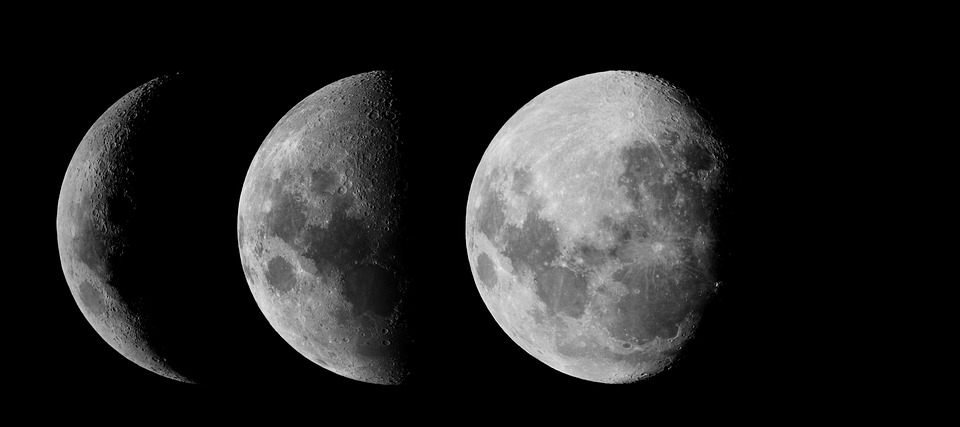
The Moon's phases refer to the appearance of the illuminated portion of the Moon as seen from Earth. The Moon goes through a cycle of phases roughly once every 29.5 days, known as a lunar month. The following are the eight main phases of the Moon: 1. New Moon: The Moon is not visible, as it is completely dark and not illuminated by the Sun. 2. Waxing Crescent: A tiny sliver of the Moon is visible as it grows and moves further away from the Sun. 3. First Quarter: Half of the Moon is visible as it grows larger and moves away from the Sun. 4. Waxing Gibbous: More than half, but not quite all, of the Moon is visible as it grows and moves away from the Sun. 5. Full Moon: The entire illuminated side of the Moon is visible, as it is directly opposite the Sun in the sky. 6. Waning Gibbous: More than half, but not quite all, of the Moon is visible as it begins to shrink and move closer to the Sun. 7. Third Quarter: Half of the Moon is visible as it continues to shrink in size and move closer to the Sun. 8. Waning Crescent: A tiny sliver of the Moon is visible as it shrinks and moves closer to the Sun. After the waning crescent phase, the Moon returns to the new moon phase, and the cycle starts again.
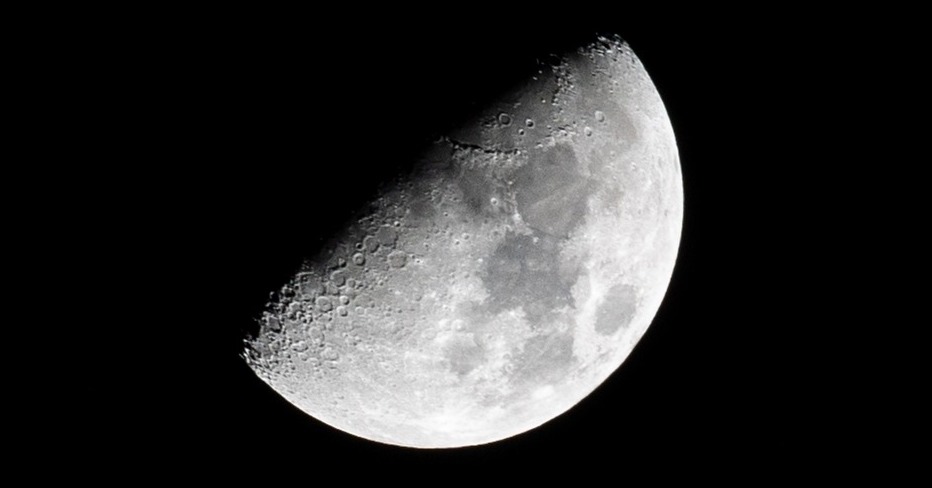
The new moon phase is a lunar phase that occurs when the Moon is located between the Earth and the Sun so that the side of the Moon facing the Earth is not illuminated by sunlight. During this phase, the Moon appears dark, and the night sky is relatively moonlight-free. The new moon phase marks the beginning of a new lunar cycle, typically occurring every 29.5 days. It is sometimes referred to as the "dark moon" phase, and it is an important time in many cultures and traditions, particularly those that follow lunar calendars. During the new moon phase, the Moon's gravitational pull combines with the Sun's, resulting in a higher tidal activity. The higher tidal action can cause stronger ocean currents and tides, impacting coastal regions.
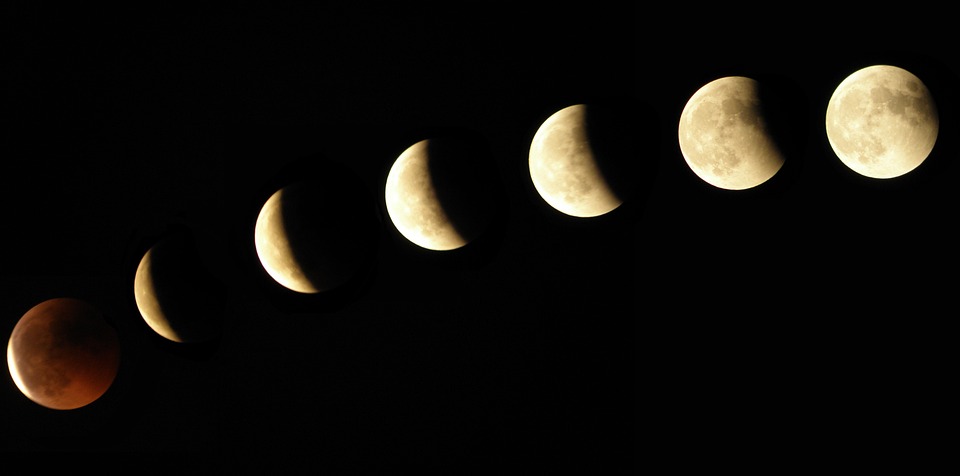
The waxing crescent is a lunar phase that occurs shortly after the new moon phase. During this phase, a tiny sliver of the Moon's illuminated side becomes visible from Earth as the Moon moves out of its position between the Earth and Sun. The waxing crescent phase is so named because the illuminated portion of the Moon appears to be "waxing," or growing larger each night, as more of its surface is lit by the Sun. This phase typically lasts from three to seven days and is considered a time of new beginnings and growth. During the waxing crescent phase, the Moon rises during the day and sets in the early evening, so it is often visible in the sky during the late afternoon or early evening hours. As the phase progresses, the Moon's illuminated portion becomes more prominent and visible until it reaches the first quarter phase.
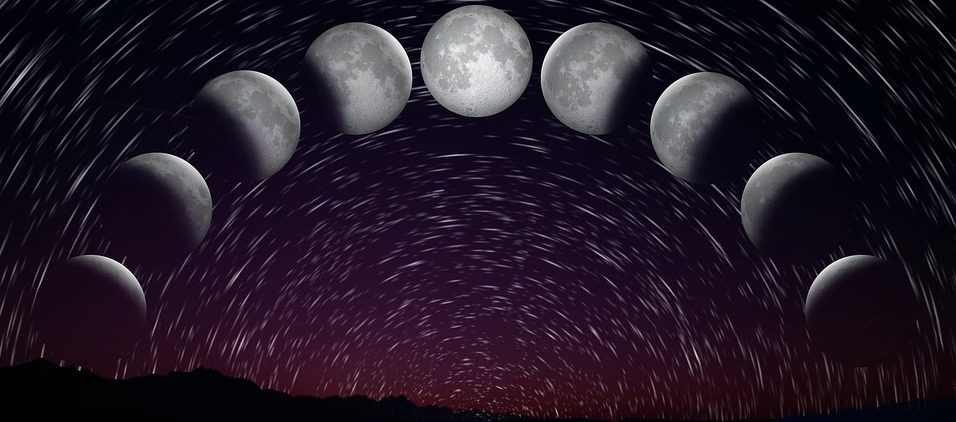
The first quarter is a lunar phase approximately one week after the new moon phase. During this phase, the Moon has completed about one-quarter of its orbit around the Earth, and the illuminated portion of the Moon's surface appears to be increasing in size. The first quarter phase is so named because the Moon appears to be one-quarter of the way through its monthly cycle of phases. During this phase, the Moon is visible in the sky for much of the afternoon and evening, and it is often visible in the sky during the late afternoon and early evening hours. The first quarter phase is a time of action, growth, and progress, and it is associated with setting goals, making plans, and taking action to move forward. It is also a time of challenge, as the Moon's increasing illumination may create some conflict or tension as we work to achieve our goals. After the first quarter phase, the Moon continues to wax or grow in illumination until it reaches the complete moon phase, which occurs approximately two weeks after the new moon phase.
The full moon phase typically occurs approximately two weeks after the new moon phase and is the midpoint of the lunar cycle. It is a time of heightened energy, emotions, and intuition and has long been associated with various cultural and spiritual traditions. The full Moon is often associated with transformation, completion, and manifestation. It is a time when the intentions set at the new Moon may come to fruition, and it is also a time for releasing any negative energy or emotions that may be holding us back. The full Moon is a popular time for ceremonies, rituals, and meditation in many cultures and traditions. It is also associated with increased physical and mental activity and changes in behavior and mood in some individuals.
The waning crescent phase is so named because the illuminated portion of the Moon appears to be "waning" or decreasing in size each night. This phase typically lasts from three to seven days, and it is a time of letting go and releasing as we prepare for a new lunar cycle to begin. During the waning crescent phase, the Moon rises early and sets during the day, often visible in the sky just before dawn. As the stage progresses, the illuminated portion of the Moon's surface becomes smaller and less visible until it disappears entirely at the new moon phase. The waning crescent phase is associated with endings, completion, and the shedding of old habits or patterns. It is a time to reflect on the previous lunar cycle and let go of anything that no longer serves us to make space for new growth and beginnings in the upcoming cycle.